Thursday, June 27, 2024

Central Africa: The Rwandan army provided free medical services to the population

Central Africa: The Rwandan army provided free medical services to the population

The Rwandan army, which is part of the (Battle Group VI), working in the mission of the United Nations in the Central African Republic (MINUSCA), provided free medical services to the people of Bria, a village in Dahouga.

In the event that took place on Tuesday, May 28, 2024, the medical services provided focused on the diagnosis and treatment of diseases such as malaria, respiratory diseases and those with stomach problems.

Residents are also screened for non-communicable diseases including blood pressure and weight, and are offered dental and eye care services.


The Mayor of Bria, Mr. Maurice Balekouzou, praised the good relations and strong friendship between Rwandans and Central Africans. He also thanked the Rwandan Armed Forces who are part of the MINUSCA mission for their great support in providing medical care to the people, which improves the general well-being of the people.

Lt Col Tharcisse MPFIZI, Commander of Battle Group VI, said that in addition to protecting civilians, the Rwandan peacekeeping forces in Central Africa are committed to improving the welfare of the people they protect.

This includes providing essential health services to improve the lives of the people of Central Africa. He also emphasized that they will continue to cooperate with the people in fulfilling their responsibility to support and maintain peace and security in the Central African Republic.

Learn about 'Hemophilia' which can cause death or disability

 Learn about 'Hemophilia' which can cause death or disability

The Hemophilia Society, together with the Rwanda Health Center (RBC), is calling on people with symptoms of the disease to seek early diagnosis to prevent death or disability.

Mujawimana Clementine, who lives at Muhima in Nyarugenge, has had 4 births in total, where the babies are born with bleeding, but after finding out that she is suffering from Hemophilia, she gave up.

"I always go to the doctor where my 3 children are bleeding profusely, and I take them to medicate. The child may eat a piece of cake or chew a piece of chewing gum, and start bleeding from the mouth."

Majawimana says that she and her husband do not have a problem with bleeding, but that one of her older brothers has bleeding that lasts for a long time. Nsengiyumva Amos, 29 years old, says that he was born with Hemophilia and it was difficult for him for many years while the treatment for the disease had not arrived in Rwanda (before 2014). At the age of five, Nsengiyumva noticed a swelling in the knee of his leg, and after a while, he felt as if he was injured.

It is a disease that is transmitted from a parent or another blood relative to some of the children born in that family, and a person may be born without a cell (protein) that helps the blood to heal.


If a person who has it is injured or bleeds due to something else, it stops bleeding quickly (hakuma), but if you don't have it, it continues to bleed, which is called Hemophilia.A person suffering from Hemophilia requires an injection called 'Factor', otherwise they bleed to death, or experience complications including permanent disability.


Symptoms of Hemophilia


The head of the Rwanda Fraternity Against Hemophilia, Sylvestre Murindabyuma, says that there are things that people call magic, but they don't know that they are sick or have suffered from a disease of blood that cannot be treated.

Symptoms of Hemophilia

This image shows the signs and symptoms

Murindavyuma says that blood can flow from the joints of joints such as the elbows, knees, groin, and ankles, and become swollen and discolored, until the bones that connect them are broken, and the person becomes disabled.

There are cases where a person bleeds from the skin inside, from the tissues that connect the flesh and bones, or from the flesh and the swelling, and the blood is covered (called Hematoma).

Some bleed in the mouth and chin, especially when a person has a tooth, or an injury to the chin due to a fall or eating something hard, and some bleed after surgery or injections.

The Hemophilia Society continues to say that some suffer from cerebral palsy, which is manifested by weakness and nausea, which can eventually lead to paralysis, blindness, or long-term coma.

Murindavyuma says that a person with a slow discharge from the nose, as well as irregular periods, can also go to the doctor to check for hemophilia, where the machine that tests for this disease is located at CHUK Hospital.

He said, "There are those who see a person who has started to faint and have swollen joints, and they go to seek witch doctors and shoot him (and leave), and in a short time the person is dead."

He said, "We appreciate the Rwandan government for the way they live close to this disease, we have been showing it but we are few, we ask them to increase their support in supporting us, so that they have a role in searching around for those living with these symptoms to be tested, identified, and helped before they die."

At the moment, one unit of factor (Factor) is bought for more than 1.200 million Rwandan francs, and a patient with severe hemophilia will have to take this medicine at least once every week.

The Rwanda Fraternity Against Hemophilia does not ask those who have this disease so that they can be identified and treated early, because they have a donor who gives them free medicine.

So far the machine in CHUK has detected 96 Hemophilia patients out of about 1600 Rwandans who are suspected of having the problem.

The RBC employee in the Department of Infectious Diseases, Dr. Evariste Ntaganda, says that a campaign has been started on Hemophilia, as well as training for doctors working in hospitals and health centers so that those who are unable to help are immediately sent to CHUK Hospital to see if it is not Hemophilia.

Dr Ntaganda said, "We are saying that now people know about it, he will find that he has a problem and he will show it."

Regarding the measures RBC will take due to the problem of expensive Hemophilia drugs, Dr Ntaganda says that what was difficult was to first know the number of Rwandans affected by this disease, so that they can find cheap drugs.

Wednesday, June 26, 2024


The Challenge of Marburg Virus Disease in Africa: A Persistent Threat


ⓒfrom frontiersin

Since its discovery in the 1960s, Marburg virus disease has posed a serious health challenge in Africa. This rare but deadly virus belongs to the same family as Ebola virus and is believed to originate from bats. It can cause severe illness in humans, with symptoms ranging from fever, chills, and headache to severe bleeding and organ failure.


Outbreaks of Marburg virus disease have occurred sporadically in several African countries, often in regions where people come into contact with bats or caves inhabited by bats. The virus can spread through direct contact with infected bodily fluids or tissues, making healthcare workers and family members of patients particularly vulnerable.


The signs of Marburg virus disease typically appear abruptly and progress rapidly. Early symptoms resemble those of influenza, such as fever, muscle pain, and fatigue. As the disease advances, it can lead to more severe symptoms including nausea, vomiting, diarrhea, and hemorrhagic manifestations like bleeding from the gums, nose, and other organs.


Preventing Marburg virus disease involves several key measures. First and foremost is raising awareness about the virus and educating communities on how it spreads. Avoiding contact with bats and their habitats, as well as avoiding consumption of bushmeat from wild animals, reduces the risk of exposure. In healthcare settings, implementing strict infection control measures—such as wearing personal protective equipment and safely handling medical waste—is crucial to preventing transmission among healthcare workers and patients.


Efforts to develop a vaccine for Marburg virus disease are ongoing, although none has been widely available for public use as of 2024. During outbreaks, rapid identification of cases, isolation of patients, and contact tracing are essential to containing the spread of the virus. International organizations and local health authorities collaborate to respond swiftly to outbreaks, providing medical care and support to affected communities.


In conclusion, Marburg virus disease remains a challenging public health issue in Africa, requiring ongoing vigilance and coordinated efforts to prevent and control outbreaks. By continuing to invest in research, public health infrastructure, and community education, countries can reduce the impact of this deadly virus and protect the health of their populations.


Fighting Mosquitoes and Vaccinating Communities to Defeat Yellow Fever

Yellow fever has had a significant impact on both Africa and South America from the 1960s to the present day. This viral disease is transmitted by mosquitoes, particularly the Aedes aegypti species. It can cause a range of symptoms, from mild fever and headache to severe cases involving jaundice (yellowing of the skin and eyes), bleeding, and organ failure.


In Africa, yellow fever outbreaks have been a recurring challenge, affecting communities across the continent. The virus thrives in tropical and subtropical regions where mosquitoes breed in stagnant water. Rural areas are particularly vulnerable due to limited access to healthcare and vaccination services.

Symptoms of yellow fever often start suddenly and include fever, muscle pain, nausea, and vomiting. As the disease progresses, some patients develop severe symptoms such as jaundice and bleeding. Without prompt medical care, yellow fever can be fatal, especially in severe cases where liver and kidney functions are compromised.

Preventing yellow fever primarily involves vaccination. The yellow fever vaccine is safe and highly effective, providing immunity for at least 10 years and often for life. Mass vaccination campaigns have been crucial in controlling outbreaks and protecting populations at risk. Additionally, efforts to control mosquito populations through insecticide spraying and eliminating breeding sites help reduce the transmission of the virus.


In South America, similar efforts have been made to combat yellow fever. Vaccination campaigns have targeted vulnerable populations in urban and rural areas, aiming to prevent outbreaks and protect public health. Thanks to these efforts, many countries in South America have successfully reduced the burden of yellow fever, although sporadic outbreaks still occur.


Overall, the history of yellow fever in Africa and South America from the 1960s to 2024 reflects ongoing efforts to control and eliminate the disease. Vaccination remains the cornerstone of prevention, supported by mosquito control measures and public health interventions. By continuing these efforts, countries can mitigate the impact of yellow fever and strive towards a future where the disease is no longer a threat to communities worldwide.

The Eradication of Smallpox As A Triumph of Global Health

  The Eradication of Smallpox As A Triumph of Global Health

In the 1960s, smallpox was a widespread and deadly disease affecting millions around the world. Caused by the variola virus, smallpox caused high fever, body rash, and painful blisters that could lead to scarring or even death. The virus spreads easily through respiratory droplets or direct contact with infected individuals.

Eradicating smallpox with speedboat Epidemiology

Efforts to eradicate smallpox gained momentum in the 1960s with the introduction of a successful vaccine. Mass vaccination campaigns became a crucial strategy to control outbreaks and prevent the disease from spreading further. Health workers traveled to remote areas, reaching out to communities to ensure everyone received the vaccine.

The signs of smallpox were distinctive: high fever followed by a rash that started on the face and spread throughout the body, turning into painful sores. Many who survived were left with deep scars, reminders of the disease's severity. Smallpox had a devastating impact on populations worldwide, causing widespread illness, disability, and death.


By the late 1970s, due to global vaccination efforts coordinated by the World Health Organization (WHO), smallpox was successfully eradicated. This monumental achievement marked the first and only time a human disease had been eradicated through vaccination efforts. It was a testament to international collaboration and the dedication of health workers worldwide.


Preventing smallpox today primarily involves maintaining high vaccination coverage. The vaccine is highly effective and provides long-term immunity against the virus. Routine vaccination has ceased since the eradication of smallpox, but vaccines are still kept in storage to respond to any potential outbreaks. The eradication of smallpox stands as a testament to what can be achieved through global cooperation and sustained public health efforts, ensuring that future generations remain free from this once deadly disease.

Fighting Cholera: A Global Battle for Clean Water

 Fighting Cholera: A Global Battle for Clean Water

Drinking water or eating food that is contaminated with a bacteria called Vibrio cholera

In many parts of Africa and the world, cholera is a serious illness that affects many people. It is caused by drinking water or eating food that is contaminated with a bacteria called Vibrio cholerae. This bacteria can cause severe diarrhea and vomiting, leading to dehydration and, if not treated quickly, even death.

In Africa, where clean water can be hard to find, cholera outbreaks happen often. People who get sick with cholera can experience symptoms like watery diarrhea, nausea, and stomach cramps. These signs usually start suddenly and can make someone very sick within hours.

Doctors and health workers play an important role in treating cholera. They provide patients with oral rehydration solutions to replace lost fluids and salts. This treatment helps people recover faster and prevents severe dehydration. Communities also work together to prevent cholera by promoting clean water and good hygiene practices. Washing hands with soap, using safe water for drinking and cooking, and keeping food clean are important steps in stopping cholera from spreading.

Doctors and health workers play an important role in treating cholera

Across the world, efforts are ongoing to eliminate cholera by improving access to clean water and sanitation. Governments and organizations collaborate to build safe water systems and educate communities about hygiene. By working together and taking these preventive measures, we can reduce the impact of cholera and keep people healthy and safe, both in Africa and globally.


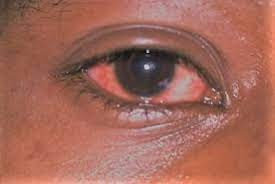
More about the eye disease that threatens Rwandans known as Amarundi

More about the eye disease that threatens Rwandans known as Amarundi

A few days ago in Rwanda, there was an eye disease called Amarundi, but it is usually called 'Viral Conjunctivitis'. This disease is spread mainly during winter through an insect called 'Adenovirus'.

The one who caught it is characterized by symptoms like runny nose, headache, coughing, and more.

On February 11, 2024, the Ministry of Health urged all Rwandans to take measures to prevent eye disease when it was discovered that it had arrived in Rwanda. It was after he had visited countries like Kenya and Tanzania for some time.

This disease is transmitted through many ways such as public places, shaking hands with an infected person who has touched their face without washing it, using a device that they have used, and in other ways, according to the data.

Those who have this disease are characterized by high fever, headache, cough, dehydration, severe cold, stuffy nose, and shortness of breath.

It continues to affect quite a few people, where the patient has swollen eyes, feels hypothermia, and has blurred vision.

That's not the only characteristic because the sufferer is also very tired in the morning to the point that it is difficult to open the eyes, it is difficult to look at the sun, and the eyes are very red.

This eye disease caused by the 'Adenovirus' virus affects people of all ages, although the majority are young children because they are often in contact with their peers, and are impatient to avoid close contact.

This disease is transmitted in different ways according to the National Institute of Health, RBC. The only solution to prevent it is that when the sick person is going to cough, he should use a cloth to cover his mouth but not use his hand so as not to spread the air to others.

Another way to prevent this disease is to avoid hugging someone who is sick, to share things that have been touched by someone who is sick, not to go to the 'swimming pool' because it is shared with different people, to avoid sharing cleaning equipment and to wash with clean water and soap every time you leave the bathroom because If you have been dealing with many insects that can cause you to suffer from this disease.

Anyone who has heard of these symptoms should go to the doctor immediately and receive medication, while those who are ill should avoid all activities that bring them in contact with others.

Causes, symptoms & how to prevent red eye disease

The disease which has hit Dar es Salaam, Tanzania has now been reported in Mombasa


Over the past few days, there has been a growing concern about the increasing cases of red eye diseases, which have become common around the coastal city of Mombasa.

The highly contagious disease has been recorded in Dar es Salaam, Tanzania, and has since been reported in Kenya.

Characterized by the telltale redness of the eye, this condition, formally known as conjunctivitis, has caused panic.

In this article, we will explore the causes, symptoms, and treatment of red eye disease.

Conjunctivitis can be caused by viruses, bacteria, and allergens.

Bacterial infections, notably strains of bacteria such as Staphylococcus or Streptococcus, also contribute to the initiation of conjunctivitis. Additionally, irritants like smoke, dust, or chemicals can trigger the inflammation of the conjunctiva, the clear layer covering the white part of the eye.

Identifying the red eye disease hinges on recognizing its distinctive symptoms. The most apparent sign is, unsurprisingly, the redness of the eye due to blood vessels becoming dilated and inflamed.


Beyond the obvious discoloration, individuals may experience itching, a gritty sensation, excessive tearing, and pain.

The eyes may discharge a watery or mucous-like substance, leading to the formation of crusts, particularly after sleep. Sensitivity to light can also accompany the condition, intensifying the discomfort.

Occasionally, some patients may experience blurred vision, headaches, and a running nose.

Red eye has no specific treatment as it usually disappears one to two weeks after the patient has been infected.

However, preventive measures can be adopted to prevent the spread and escalation of the disease.

PHOTO ESSAY

 Photo essay Mount Kigali Universty had build a water tank inorder to bring clean drinking water to its students, and this picture show NIYO...